 Injury Prevention and SafetyFour ways to protect your wrists before pain forces you to stop training
Gymnastics and Acrobatics
- Injury Prevention and SafetyFour ways to protect your wrists before pain forces you to stop training
 Injury Prevention and SafetyWhat a spotter does in gymnastics and when their hands make the difference
 Getting StartedWhat to Wear to Your First Gymnastics Class: Four Choices That Save You the Guesswork
 Getting StartedSix basic gymnastics skills that build everything else
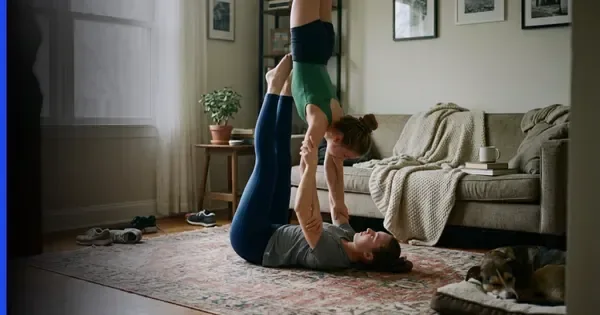 Understanding the SportAcrobatic gymnastics brings together balance, dynamic throws and three roles you share with a partner
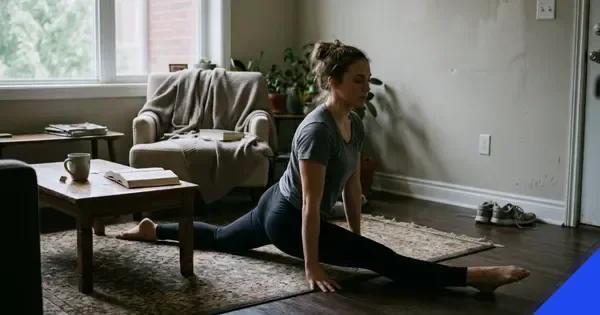 Training and ConditioningFlexibility for gymnastics: six muscle groups to stretch and how often
 Understanding the SportFive types of gymnastics and what makes each one distinct
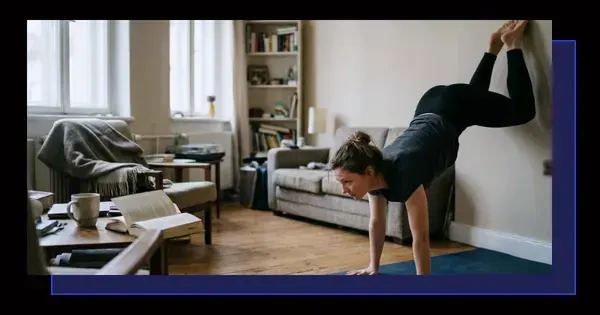 Getting StartedHow to start gymnastics as an adult: 4 decisions that put you in the gym with confidence
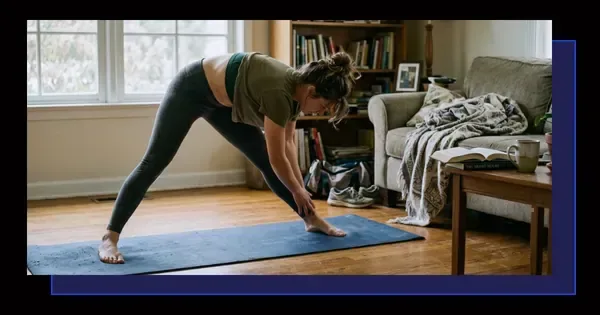 Injury Prevention and SafetyHow to warm up properly before gymnastics: 4 phases that prepare your body to move safely
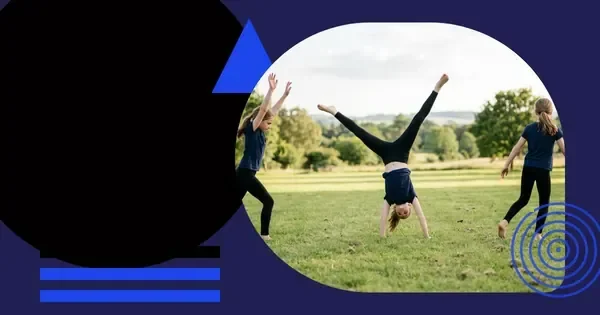 Skills and TechniquesHow to do a cartwheel: 6 steps from your first kick-over to a straight line
 Equipment and GearWhat gymnastics grips are and when you need them
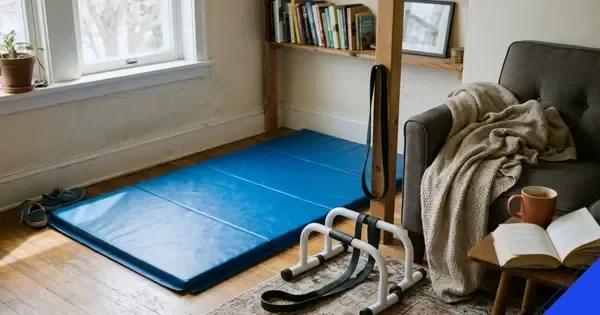 Equipment and GearThe 6 pieces of equipment that make home practice safer and more effective
Getting Started
Injury Prevention and Safety
- Injury Prevention and SafetyFour ways to protect your wrists before pain forces you to stop training
- Injury Prevention and SafetyWhat a spotter does in gymnastics and when their hands make the difference
- Injury Prevention and SafetyHow to warm up properly before gymnastics: 4 phases that prepare your body to move safely
The tools that already exist for learning gymnastics and acrobatics – structured progressions, body-weight conditioning, spotting protocols – remain underused by people who could benefit most. Astral Acrobatics breaks down the training methods, skill-building sequences and injury-prevention practices that turn raw enthusiasm into controlled movement.
Training methods that build strength and control
Bodyweight exercises form the foundation. Push-ups develop shoulder stability needed for handstands. Hollow-body holds teach the tension required to maintain shapes in the air. Leg lifts prepare the core for inverted positions.
Progressions matter more than raw attempts. A bridge comes before a backbend. A headstand precedes a handstand. Each step conditions the muscles and teaches the body where it sits in space.
Consistent practice outweighs intensity. Three sessions of twenty minutes each week produce better results than one exhausting hour. The nervous system adapts through repetition, not fatigue.
Conditioning exercises for acrobatic movement
Wrist mobility determines how long you can hold inverted positions. Rotating the wrists in both directions, then bearing weight through them in a quadruped position, prepares the joints for load.
Ankle strength prevents rolled ankles on landings. Calf raises on a step, both legs together and then single-leg, build the muscles that control descent. Balance work on one foot improves proprioception.
Shoulder flexibility opens the range needed for backbends and walkovers. Wall slides and doorway stretches lengthen the front of the shoulder without forcing the joint past safe limits.
Options for learning and practising safely
Coached classes offer immediate feedback. An instructor spots incorrect alignment before it becomes habit. Group settings provide motivation and a structured warm-up.
Open gym sessions give time to work on specific skills. Mats, bars and beams are available without the pressure of a lesson plan. Experienced athletes often train alongside beginners, and observing their technique teaches as much as doing.
Home practice suits those with limited schedules. A clear floor space and a wall for support are enough to drill handstands, bridges and basic tumbling. Filming yourself from the side reveals what you cannot feel.
Equipment that supports skill development
A panel mat absorbs impact during rolls and cartwheels. Folding versions store in a cupboard. Thickness matters: thinner mats allow better feedback from the floor, thicker ones cushion higher drops.
Parallettes raise your hands off the ground for L-sits and tuck planches. Wooden ones grip better than metal. Height should allow your shoulders to stay packed when your arms are straight.
Resistance bands assist with pull-ups and provide support during back-extension drills. Loop one around a bar and step into it, or anchor it above you and hold the ends for assisted handstands.
The basics of body awareness and alignment
Proprioception is knowing where your limbs are without looking. Closing your eyes during a balance drill forces your body to rely on internal sensors rather than vision. This skill transfers to every acrobatic movement.
Hollow and arch positions are the two shapes that define most gymnastics. A hollow body – ribs down, lower back flat, legs and arms extended – appears in handstands and front levers. An arch – chest open, slight backbend, shoulders behind the hips – governs backflips and aerials.
Tension is not the same as rigidity. Engaged muscles hold a shape, but joints remain mobile. A stiff handstand topples; a tense one with micro-adjustments in the fingers and wrists stays upright.
Progressions for inverted skills
A wall-supported handstand teaches the position before balance becomes the challenge. Kick up with your back to the wall, walk your feet down until your nose nearly touches the surface, then hold. Thirty seconds of clean shape builds more than ten attempts at a freestanding hold.
Headstands distribute weight across three points – two hands and the crown of the head. Fingers spread wide and press into the floor. Shoulders stay away from the ears. Hips stack over the shoulders before the legs lift.
Forearm stands demand more shoulder flexibility than handstands but offer a wider base. Elbows align under shoulders, never wider. The same hollow-body tension applies.
Common mistakes and how to avoid them
Skipping warm-ups increases injury risk. Cold muscles tear more easily. Five minutes of joint rotations and light cardio raises tissue temperature and primes the nervous system.
Progressing too quickly ingrains poor form. If you cannot hold a tuck handstand for ten seconds, you are not ready for a straddle. Each stage exists to build the strength and control the next one requires.
Training through pain worsens injuries. Discomfort in a stretched muscle is normal. Sharp pain in a joint is a signal to stop. Continuing damages structures that take weeks to heal.
Spotting unsafe movement patterns
A banana-shaped handstand – arched back, ribs flared – puts pressure on the lower spine. The correction is engaging the core and tilting the pelvis under, even if it feels like leaning forward at first.
Landing with locked knees sends impact straight into the joints. Bending the knees on contact absorbs force through muscle instead of cartilage. The same applies to wrists: keeping a slight bend when catching your weight protects the joint.
Rolling over the side of your foot during a cartwheel strains the ankle. Fingers should point where you want to go, and each hand plants in line, not on a tightrope-width track.
Where to go next with your training
Clubs across the UK offer adult gymnastics, from recreational classes to competitive artistic and acrobatic disciplines. British Gymnastics maintains a directory of affiliated venues. Many also run open gym sessions where you pay per visit.
Parkour communities overlap with acrobatics. Training outdoors on rails, walls and grass introduces variability that refines balance. The social aspect keeps motivation high.
Online platforms host technique breakdowns and conditioning programmes. Filming yourself and comparing the footage to tutorial videos highlights what needs adjustment. Progress logs help track which drills produce results.
| Training option | Best for | Typical frequency |
|---|---|---|
| Coached class | Learning new skills with immediate feedback | Once or twice a week |
| Open gym | Practising known skills with access to equipment | Weekly or fortnightly |
| Home drills | Conditioning and refining technique between sessions | Most days, short duration |
| Outdoor training | Building adaptability and testing skills in varied environments | As weather permits |
Start this week
Lower the bar: ten minutes of practice counts. Choose one drill from this guide and repeat it daily.
Book a taster session at a local gymnastics club or parkour group. Film a basic movement – a forward roll, a wall handstand – and watch it back to spot one thing to improve. Research second-hand panel mats in your area. Mark out a clear training space at home, even if it is only two metres square.
Frequently asked questions
What is the difference between a headstand and a handstand?
A headstand distributes weight across the crown of the head and two hands, creating a tripod base. A handstand places all weight on the hands, requiring more shoulder strength and balance but less neck compression.
How do you prepare your wrists for handstand training?
Rotate your wrists in circles in both directions, then bear weight through them in a tabletop position on the floor. Gradually shift more weight forward and hold, building tolerance over several weeks.
What does hollow body position mean?
Hollow body is a core-engaged shape where the lower back presses flat, ribs pull down, and arms and legs extend away from the torso. It forms the foundation of clean handstands and front-support skills.
How long should you hold a wall handstand before trying freestanding?
Aim for thirty seconds of a chest-to-wall handstand with straight body alignment. This builds the shoulder endurance and positional awareness needed to balance without support.
What equipment do you need to start acrobatics at home?
A clear floor space and a wall are enough for most beginner drills. A folding panel mat adds cushioning for rolls and cartwheels. Parallettes and resistance bands support progressions but are not essential at first.