What to Wear to Your First Gymnastics Class: Four Choices That Save You the Guesswork
 Save
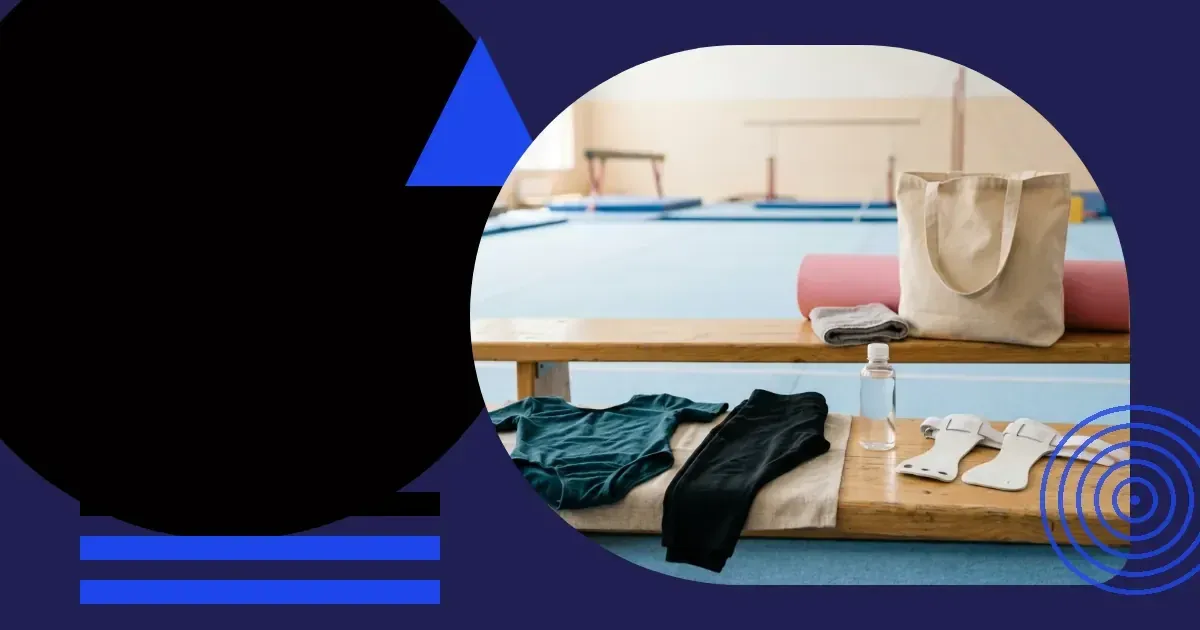
What to wear to your first gymnastics class comes down to one idea: nothing loose, nothing that can catch, nothing you have to think about once you're moving. A well-fitted leotard, close-fitting shorts or leggings, and bare feet cover most situations. At Astral Acrobatics, we hear this question from parents and adult beginners alike, so this guide walks through what actually works and why some everyday gym clothes don't.
Why loose clothing causes real problems in the gym
Loose fabric gets caught on apparatus, flips over your head during inverted positions, and gives a coach less to see when they're checking your form. On a balance beam or during a forward roll, a baggy t-shirt can ride up and block your view at exactly the wrong moment. Think of a hoodie on a rope climb: the extra fabric bunches, snags, and distracts you from the actual skill you're trying to learn.
Coaches aren't being fussy when they ask you to tuck things in or swap an item out. They need to see your shoulders, hips and knees to spot problems in your technique early. Clothing that hides your joints hides the very things a coach is trained to watch.
Whether a leotard is required for beginners
A leotard is rarely compulsory for a first class, though many gymnasts end up wearing one because it simply works better than alternatives. For artistic gymnastics in particular, a leotard keeps the torso visible and stays put through handstands, cartwheels and rolls. If you're trying the sport before committing to kit, close-fitting leggings and a fitted top do the same job for a session or two.
- A leotard: no riding up, no readjusting, nothing to tuck in
- Fitted leggings with a snug top: a reasonable stand-in for early sessions
- Rhythmic gymnastics sometimes allows more decorative leotards once you're training in that discipline specifically
- Acrobatic gymnastics pairs and groups often match leotards for routines, but that's a later-stage concern, not a first-class one
Picking the right bottoms: shorts, leggings or a leotard alone
Shorts or leggings should sit close to the leg without restricting a kick or a split. Anything with pockets, zips, buttons or drawstrings is worth leaving at home, since metal and plastic fixtures can scrape skin or snag on a mat. If you're new to the sport and still working out your flexibility, read our guide on improving flexibility for gymnastics to understand why unrestricted movement at the hip matters so much here.
Board shorts and basketball shorts are the two most common mistakes. Both are cut too wide, both can flap during a cartwheel, and both tend to ride down during an inverted position. A simple pair of fitted gymnastics or cycling shorts solves the problem without any real cost.
What to wear on top
A fitted t-shirt or vest top works well if you're not wearing a full leotard. Avoid anything with a high neckline that restricts movement, and skip hoods altogether: they bunch at the back of the neck during rolls and can obscure your coach's view of your shoulder position. Vest tops are popular with adult beginners because they stay tucked and don't bunch under the arms during a handstand.
Long sleeves are rarely necessary indoors, though some gymnasts prefer them on apparatus like the uneven bars, where bare skin can grip or drag against the bar in ways that feel unfamiliar at first. If that's you, a thin, fitted long-sleeve top under a leotard is the usual solution rather than a loose jumper.
Footwear: why most gymnasts train barefoot
Bare feet are standard for most gymnastics training, and for good reason. Trainers add bulk and reduce the feedback you get from the floor, which matters when you're learning to balance, land or push off through your toes. If cold feet are the concern rather than grip, thin gymnastics socks with grip pads on the sole are a reasonable middle ground.
| Footwear option | Grip and feel | Best suited to |
|---|---|---|
| Bare feet | Direct floor contact, full feedback | Most floor and beam work |
| Grip socks | Light grip, warmer than bare feet | Cold studios, sensitive feet |
| Trainers | Reduced feedback, more cushioning | Warm-ups, general fitness only |
Hair, jewellery and the small things people forget
Hair needs to be off the face and secured tightly enough that it won't fall loose mid-skill. A ponytail that unravels during a roll is more than a nuisance; it can briefly block your vision at a moment when you need it most. Jewellery, watches and anything with a hard edge should come off before you start, since rings and bracelets can catch on bars or scratch during partner work.
If you're preparing for your very first session properly, it helps to know what else the class will involve before you arrive. Our guide to warming up properly before gymnastics covers what typically happens in the opening minutes, so your choice of clothing lines up with what your body is about to do.
Getting ready for your first session: a short checklist
- Choose a fitted top and bottom with no loose fabric, pockets or drawstrings
- Decide whether you want a leotard or a close-fitting alternative for now
- Remove jewellery, watches and anything with a hard edge
- Tie hair back securely enough that it won't come loose during movement
- Pack grip socks as a backup if bare feet feel too cold
- Bring a water bottle and a change of clothes for afterwards
Building a wardrobe as you progress
Once you've settled into regular sessions, you'll likely want more than one set of kit, since gymnastics clothing gets washed often and wears out faster than everyday wear. Some disciplines ask for specific colours or styles once you're training competitively, but that's a conversation for your coach, not something to worry about before a first class. If you're an adult coming to the sport fresh, our piece on starting gymnastics as an adult beginner covers the wider decisions worth making early, clothing included.
As your training becomes more structured, you may also start using grips on bars, which brings its own clothing considerations around wrists and sleeves. Our guide on what gymnastics grips are and when you need them explains when that stage arrives and what changes once it does.
#Beginner #Warm-up #Flexibility
Download PDF: First Gymnastics Class Clothing Checklist PDF, 28 KB
Further reading
Frequently asked questions
Do you need a leotard for your first gymnastics class?
No. A leotard is rarely required for a first session. Fitted leggings and a snug top do the same job while you decide whether the sport suits you.
What should beginners avoid wearing to gymnastics?
Avoid loose t-shirts, hoodies, board shorts, and anything with zips, buttons or drawstrings. These snag on apparatus and ride up during basic movements like rolls and cartwheels.
What if leggings keep sliding down during a gymnastics class?
Sliding usually means the fit is too loose at the waist rather than a sizing problem with your height. Try a pair cut specifically for sport, or wear a leotard over the top to hold everything in place.