What a spotter does in gymnastics and when their hands make the difference
 Save
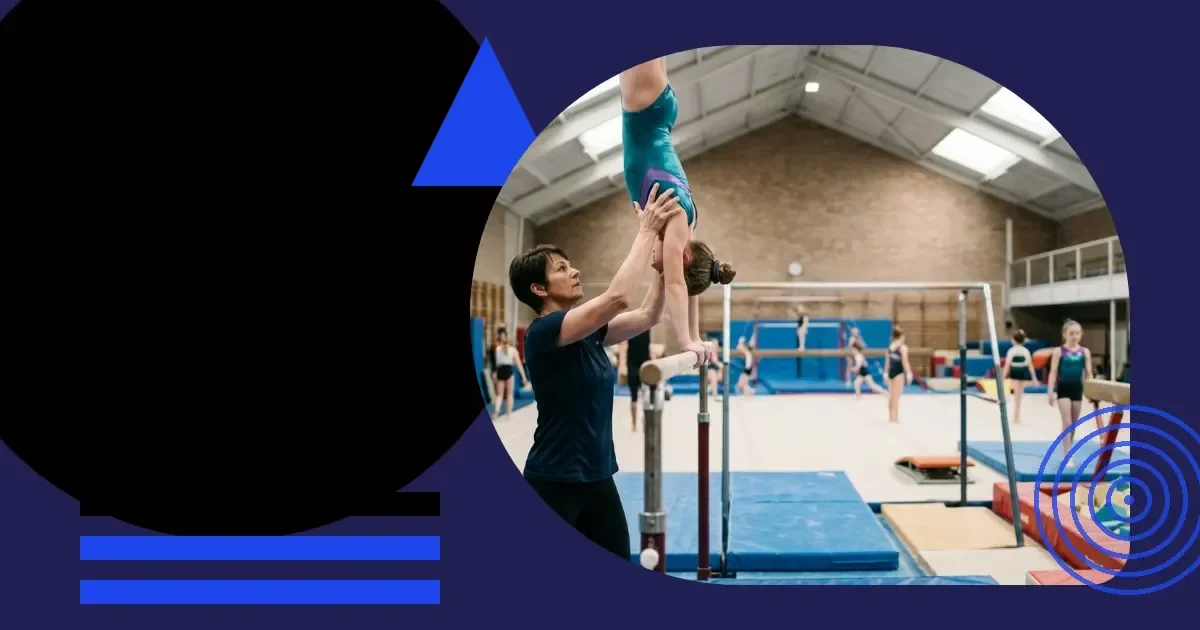
A spotter is someone who stands close enough to support you through a skill you're still learning, using their hands to guide your movement or catch you if the skill breaks down. They don't do the work for you; they give you enough confidence and physical backup to attempt something you couldn't safely try alone. Astral Acrobatics explains the role, the moments it matters most, and the basic hand positions that make spotting effective rather than just reassuring.
The spotter's job is to guide, not to lift
A good spotter anticipates where your body will go and positions their hands so they can influence the movement without taking over. They're reading your speed, your rotation and the tension in your limbs, ready to adjust pressure or change their grip if something shifts. The goal is to let you feel the skill while keeping the consequences of a mistake small.
You'll notice a spotter's touch changes as you improve. Early on, their hands might guide your hips through a back handspring or hold your waist during a front tuck. Later, they're barely there—a fingertip on your lower back to remind you to push, or a hand hovering near your shoulder in case you lose balance. That lightening of contact is deliberate; it's how you learn to trust your own body.
When spotting becomes essential
Spotting matters most when you're inverting for the first time, rotating backwards, or working at a height where a fall would hurt. Front and back handsprings, aerials, vaults and dismounts from bars or beam all carry enough risk that attempting them without a spotter early on is a poor trade.
You also need a spotter when fear is louder than your ability. Mental blocks are real, and they often appear after a fall or a near-miss. A spotter's presence doesn't remove the fear, but it gives you a small enough window of safety to move through it. That's true for adults learning new skills just as much as it is for younger gymnasts.
Hand positions for common skills
Where a spotter places their hands depends on the skill and the phase of the movement. A back handspring spotter usually stands to the side, one hand on your lower back and the other ready to support your thighs as you push off. For a front tuck, they'll start with hands on your upper back and hips, guiding your rotation and making sure you don't under-rotate and land on your neck.
Handstands need a lighter touch. A spotter might hold your ankles to stop you overbalancing, or place their hands on your hips to help you find the vertical line. The key is not to yank you into position but to give feedback you can feel. Building your handstand from the ground up means the spotter's role shrinks over time, until you only need them when fatigue or a new surface throws you off.
| Skill | Spotter's position | Primary hand placement |
|---|---|---|
| Back handspring | Side | Lower back and thighs |
| Front tuck | Side or behind | Upper back and hips |
| Handstand | In front | Ankles or hips |
| Cartwheel | Side | Waist |
What makes spotting safer for both people
A spotter needs stable footing and a clear line of sight. They should never stand where the gymnast might kick them, and they should never reach across their own body to catch someone—that's how wrists get twisted. Good spotters keep their knees slightly bent so they can move quickly, and they tell you what they're about to do before the skill starts.
Communication works both ways. If you're the one being spotted, say when you're ready and when you're not. A spotter who's caught off guard can't help you, and a gymnast who goes early can knock a spotter off balance. That's especially true for heavier skills or when the spotter is smaller than the gymnast.
Learning to spot safely
Spotting is a skill, not just a favour. Coaches teach it in stages, starting with static holds and progressions that don't require quick reactions. You might begin by supporting someone's cartwheel, where the movement is slow enough to follow, before moving on to back handsprings or aerials.
Never spot alone if you're unsure. A second spotter can cover the parts of the body you can't reach, or they can take over if the skill goes wrong. Pair spotting is standard for vaults and some tumbling passes, and it's the only responsible choice when the gymnast is learning something that rotates fast or travels a long distance.
Spotting in pairs and group work
In acrobatic gymnastics, spotting extends to the relationship between base and top. The base is already supporting the top's weight, so a third person—the spotter—watches for wobbles, instability or incomplete balance. They're positioned to steady the top if the base's grip slips, or to guide the top down if the balance collapses.
Working with a partner means the spotter has to track two bodies at once. That's harder than spotting a solo skill, and it's why acrobatics coaches often stay within arm's reach during new balances or dynamic throws. The consequences of a fall are shared, and the spotter's job is to make sure neither person hits the floor hard.
When you stop needing a spotter
You'll know you're ready to try a skill without a spotter when you can perform it consistently with only the lightest touch, and when the thought of doing it alone doesn't freeze you. That might take a handful of sessions or several months, depending on the skill and your own confidence.
Even experienced gymnasts use spotters for new variations or when they're tired. Fatigue changes your timing and your strength, and a skill that felt solid an hour ago can fall apart when your legs are heavy. A spotter is there to keep those late-session attempts from turning into injuries.
Steps to start spotting someone else
- Watch a qualified coach spot the skill several times, paying attention to where their hands go and when they apply pressure.
- Ask the gymnast what kind of support they need—some people want a firm hold, others prefer a lighter touch that only activates if they're falling.
- Position yourself so you can see the gymnast's body throughout the movement, with your feet shoulder-width apart and your weight centred.
- Keep your hands ready but not tense; stiff arms are slower to react than relaxed ones.
- Communicate before the skill starts: confirm you're both ready, and agree on a signal if they want to stop mid-movement.
Spotting at home and in recreational settings
Not every practice happens in a gym with mats and coaches. If you're working at home, spotting becomes even more important because the surfaces are harder and the equipment is often improvised. A parent or friend can spot basic skills, but they need to understand the same principles: stable footing, clear communication, and hands positioned to guide rather than grab.
Home setups should include thick mats and enough clear space that a spotter can move without tripping. Never attempt inverted or rotating skills at home without someone who knows how to spot them, and never spot on a surface that's slippery or uneven.
When to call in a professional
Some skills are beyond the reach of untrained spotters. Back tucks, aerials, and anything that involves significant height or speed should only be spotted by someone who's been taught the technique. A well-meaning friend can make things worse if they pull when they should push, or if they panic and let go too soon.
Download PDF: Spotting Checklist for Gymnasts and Coaches PDF, 28 KB
Frequently asked questions
What does a spotter do during a back handspring?
A spotter stands to the side with one hand on the gymnast's lower back and the other near the thighs, guiding the rotation and catching them if they under-rotate or lose momentum. The support is strongest during the push-off phase and lightens as the gymnast lands.
How do you know when you don't need a spotter anymore?
You're ready when you can perform the skill consistently with only a light touch from the spotter, and when attempting it alone doesn't stop you moving. Confidence and consistency together signal readiness, not just one or the other.
Can a friend with no gymnastics experience spot you safely?
For simple skills such as cartwheels or assisted handstands, yes, as long as they understand where to place their hands and how to communicate before you start. For rotating or inverted skills, an untrained spotter can cause more harm than help, so those need a coach or someone with proper training.